Snake repellent plants can be hugely important if you live in an area where these unwelcome reptiles thrive. Snakes love damp, secluded spots with dense leaf cover and also sun-bathed rock gardens, and can easily take up residence on your plot without you knowing – that is until they are suddenly disturbed. Although many snakes are not venomous or a threat to humans and animals, just having their presence so near to your home can be hugely unnerving, so it makes sense to deter them where possible.One of the easiest and most environmentally friendly ways to do this is to grow key snake-repellent plants around your yard and home that they dislike. With a strong sense of smell – or at least their ability to gather molecules which they then run past their Jacobson’s organ – there are many natural scents snakes simply can’t stand.
1. Holly

2. Marigolds
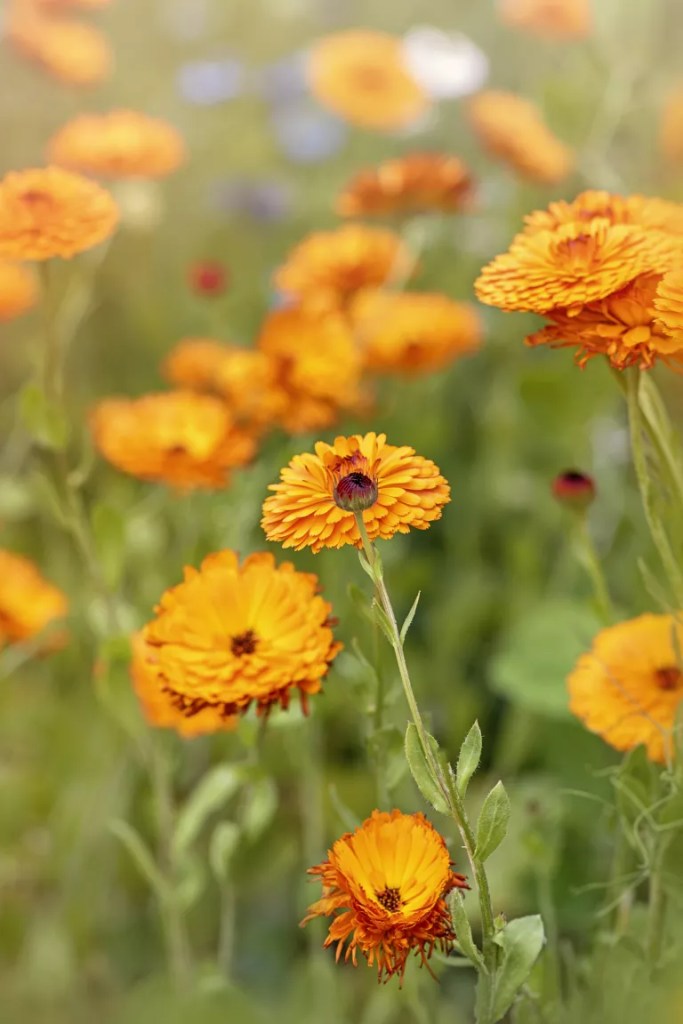
‘These bright, lovely flowers look innocent, but marigolds’ roots grow deeply and aggressively,’ says the team at Mo Plants. ‘These sturdy roots are the snake repellents. They emit a strong odor that repels snakes, gophers, and moles. They can also reach wherever a snake might be burrowing and hiding in, so the smell will reach deep into the soil.’
A tender annual these readily available plants are happiest in sun and will thrive during the warmer months across UDSA Zones 2-11. You can grow marigolds from seed, and keep them producing new flowers – and repelling snakes – for longer by deadheading regularly. Marigolds are great to plant to attract butterflies, too.
3. Allium Or Flowering Onion
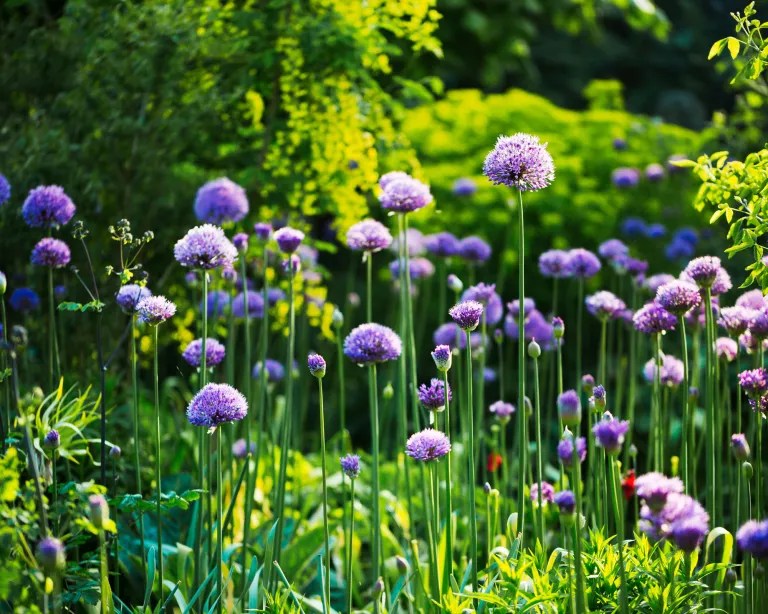
Scatter them in the flower border, amongst ground cover plants or grow in shallow dish shaped planters for an eye-catching display. One word of warning, though, the wide strappy leaves are less than lovely and the perfect spot for hiding slugs and snails, so do keep them away from precious and delicate salad leaves and bedding plants. Or be prepared to get rid of slugs and get rid of snails regularly.
4. Lemongrass
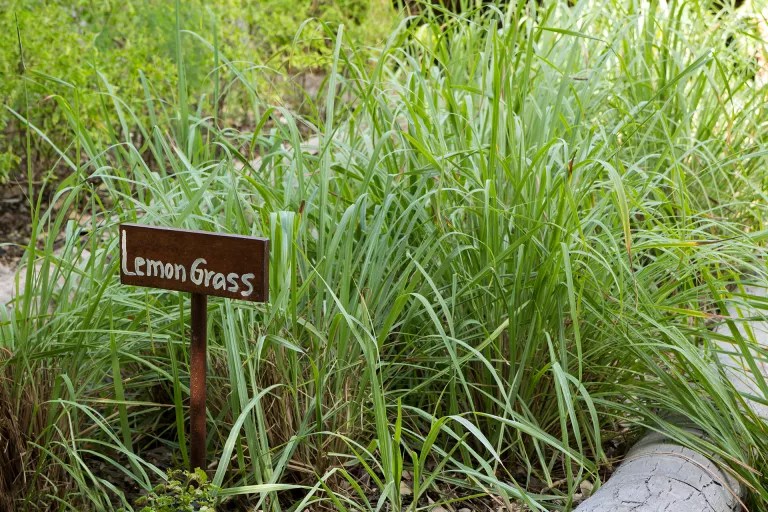
If you live in zone 8 or below, and you are still keen to give this plant a go, then you will have to lift and store the plant indoors over winter
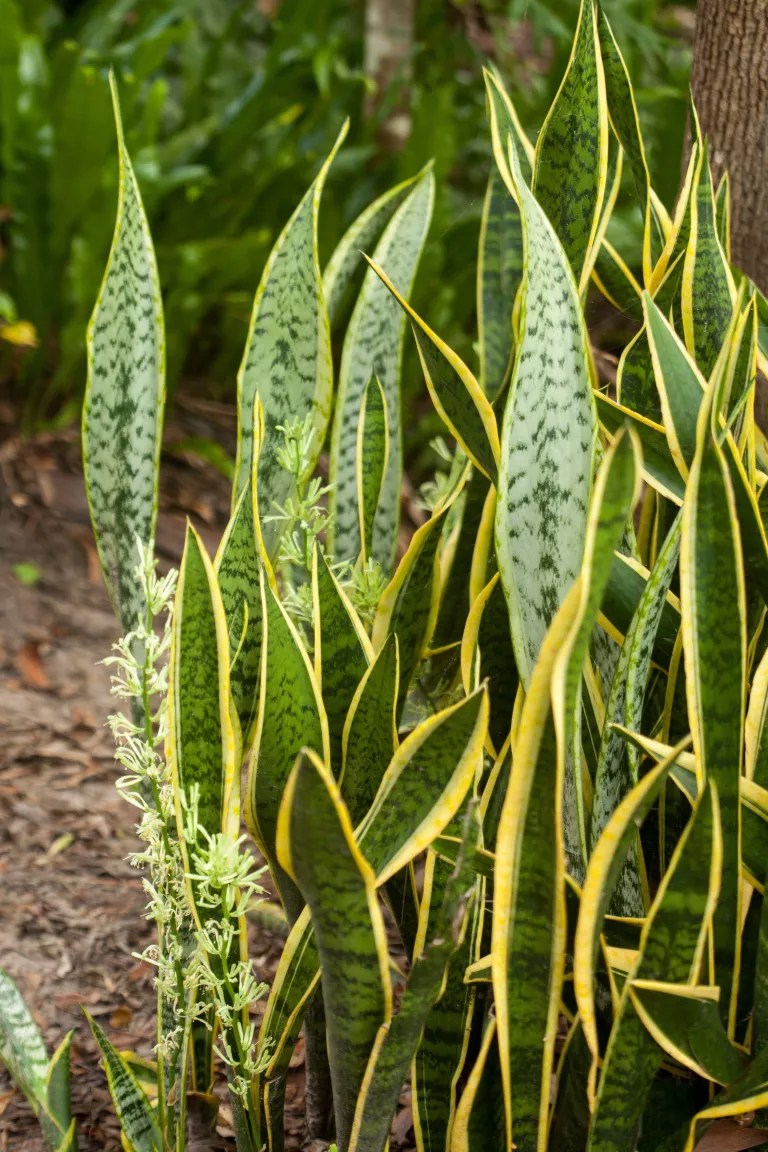
5. Mother-In-Law’s Tongue
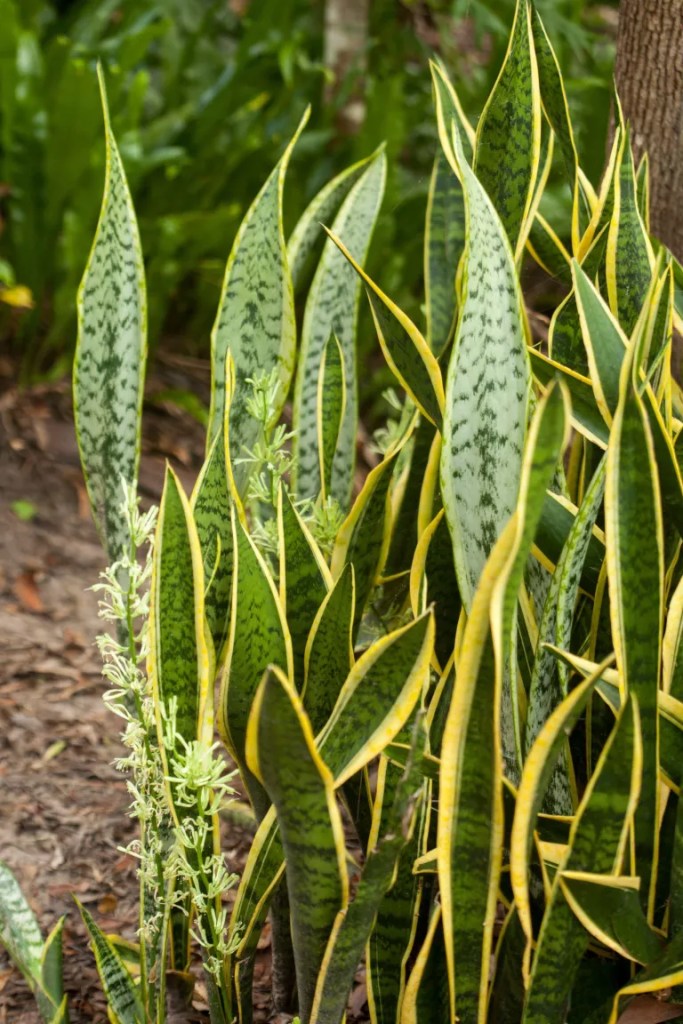
Preferring temperatures of 70℉ (21℃) and above, they will tolerate slightly cooler conditions but no lower than 55℉ (12.5℃), so are perfect for growing in USDA zones 10-12.
Place in a bright spot but do avoid strong, direct sun as this can scorch the leaves. They are not particularly fussy with soil either but do dislike sitting in wet, boggy ground as this leads to root rot.
6. Wormwood Or Mugwort
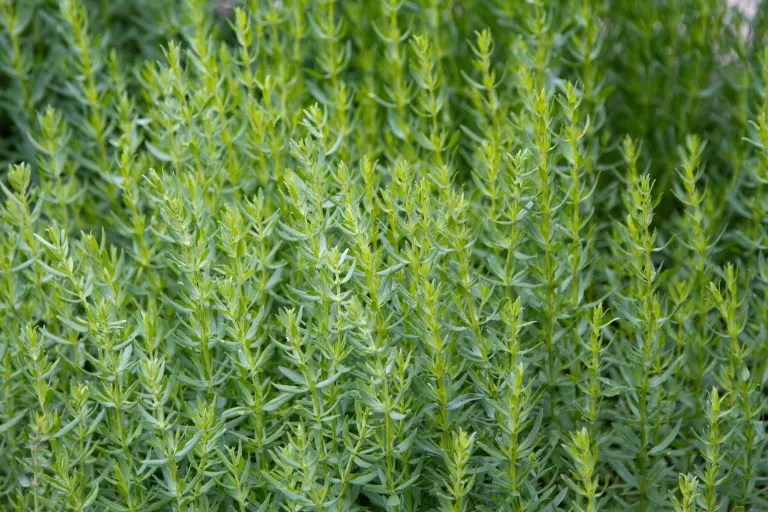
Easy and quick to grow in a sunny, well-draining spot, it’s perfect for surrounding your deck or porch with to keep these unwanted visitors well away.
Reaching heights of around 2ft (60cm) and with a spread of 3ft (90cm) this hardy perennial forms attractive textured mounds. It can lose leaves over winter during particularly cold spells but will shoot again the following spring.
Parts of the plant have been used to create the liquor Absinthe but is more commonly known for treating various digestive problems.
7. Pink Agapanthus
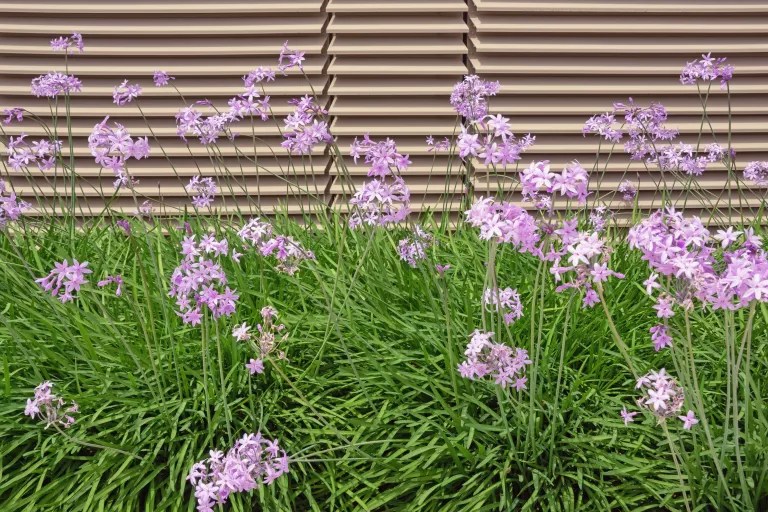
A fast growing and clump forming perennial, it can reach up to 3ft tall (91cm) and will thrive in HDSA zones 7-10. Avoid placing in wet, waterlogged soil as this will cause the bulbs to rot.
8. Garlic
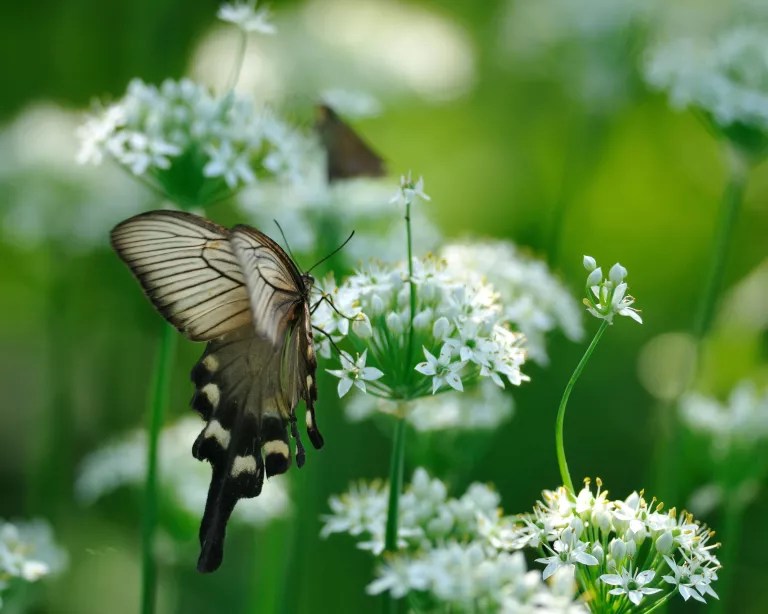
Discover when to plant garlic in your zone for best results, and how to store garlic to keep it fresh for cooking.
9. Snakeroot Plants
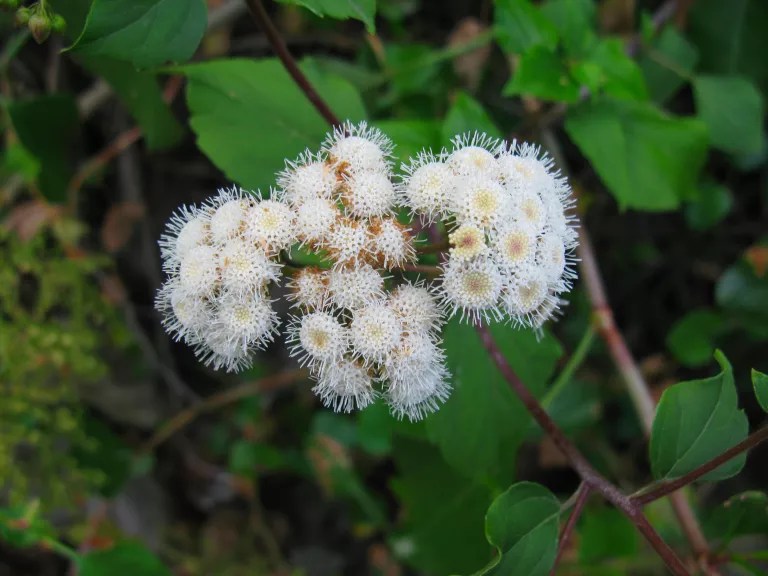
A word of caution: due chemicals in the plant – namely reserpine and tremetol – this tall plant with its small, white, long-lasting flowers is highly toxic to snakes but also harmful for animals, particularly horses and goats.
A native to north America it is commonly found in wood areas and produces coarse toothed leaves with pointed tips, not unlike stinging nettles.
10. Yellow Alder
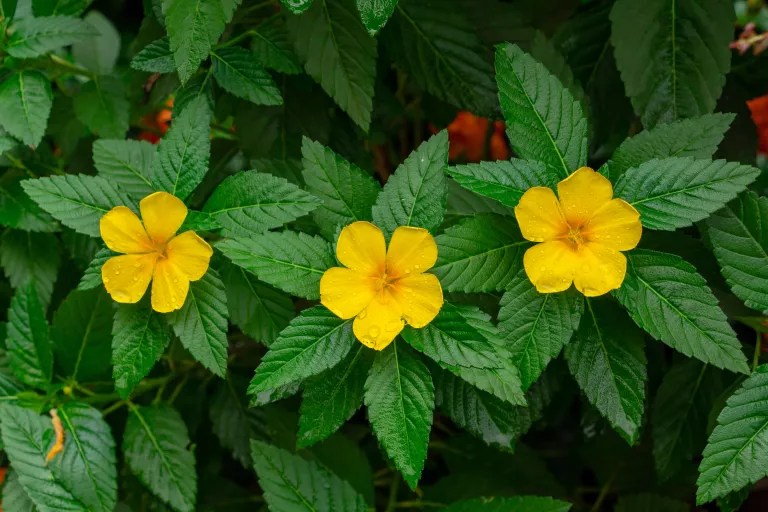
11. Basil
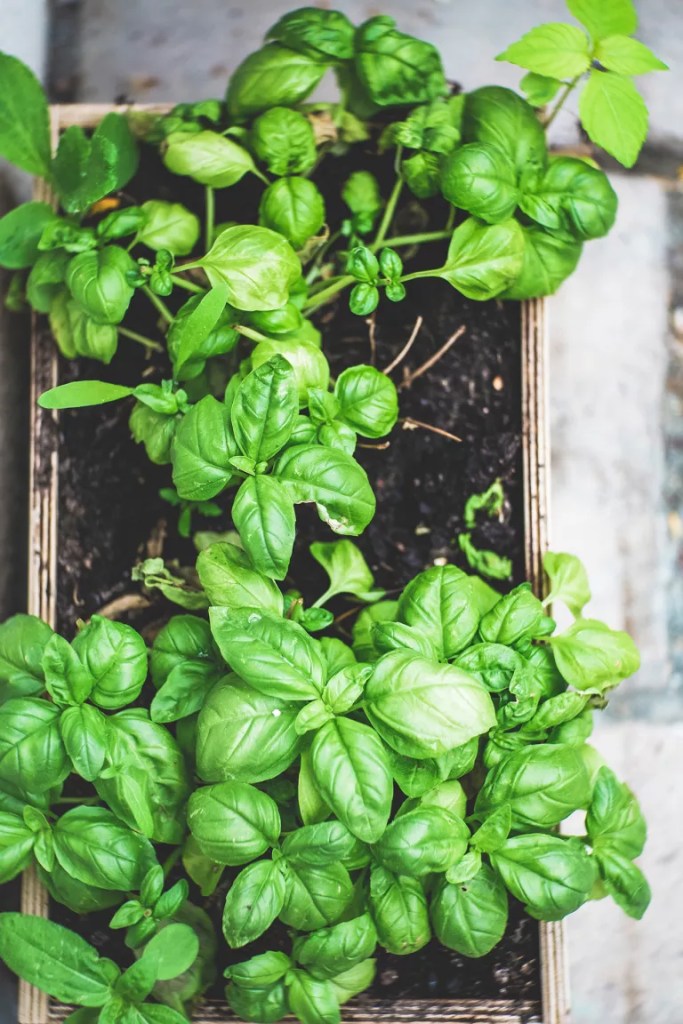
You can grow basil from seed, indoors and out. It requires constant heat to grow and dislikes sitting in wet compost, where if left it will quickly rot. The soft and tasty leaves also scorch very easily so make sure your crop is positioned out of direct sun.
Harvest individual leaves by picking them off, rather snipping several plants with scissors, as this will promote fresh, new growth. And learn how to prune basil at the right time to prolong its life.
Snake-repellent plants, such as marigolds, allium, lemongrass, mother-in-law’s tongue, garlic, wormwood, pink agapanthus, snakeroots, basil and yellow alder will all keep snakes away naturally. You can also use oils, either dripped onto soil where snakes frequent or in bowls or Tupperware with holes in the lids; choose clove oil, cinnamon oil and garlic oil. Vinegar is said to keep snakes away naturally, too. Wild animals, such as raccoons and foxes, are snake predators, so don’t get rid of raccoons or foxes if snakes are a bigger concern. Snakes also don’t like pigs, cats or turkeys, either, so if you’re thinking of backyard farming or acquiring new domestic animals, keep them in mind.
Proof My Yard
Alongside filling your borders and pots with snake deterring plants cutting back the lower limbs of shrubs, trimming any long grass and clearing up piles of leaves, logs, or brush will also help reduce cover and their likely hiding places. Fill in any existing holes or burrows with firmly packed soil and reduce moist areas or puddles, as these are particularly attractive to snakes. Free ranging pets are also a great way to deter snakes as their frequent wanderings can put these reptiles off from taking up residence.
How to keep snakes away
There are many ways, other than snake-repellent plants and scents they hate, to keep snakes away. One way to do so is to ensure food supplies and shelter are eliminated or limited: if snakes can’t find a dark log pile to hide in or a reliable source of food around your property, they won’t come visiting. Repairing cracks in masonry and pipework, blocking up holes around your property, not allowing grass or undergrowth to grow too high, and getting rid of a mole or vole infestation will all help. Surrounding your property with materials that are uncomfortable for snakes to slither over is also effective: replace smooth paths with gravel; leaving pine cones on the ground rather than clearing them planting low-growing holly will all make your home unwelcoming for snakes.
 THE MASHUP WITH JACOB 🇿🇼