Are you feeling fatigued lately? Are you experiencing too much sweating at night? Or are there any unusual lumps or moles in your body that suddenly showed up?
It’s easy to ignore these symptoms. However, if they happen more frequently and start to hinder your normal daily routine, it might be a sign that there is tumor growth.
Each cell in our bodies goes through a cycle. They can reproduce and replenish themselves when they become deficient or damaged, often without any problems.
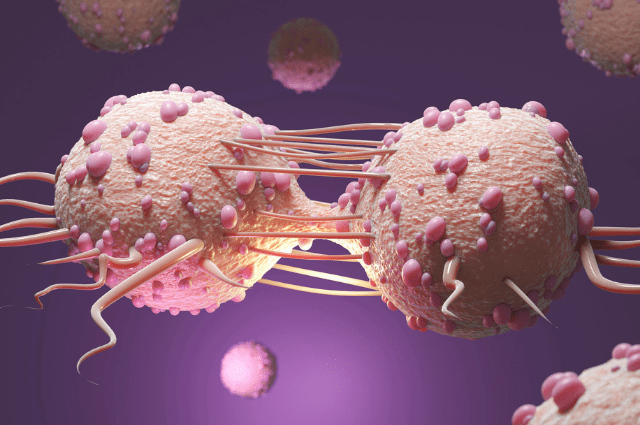
However, things don’t always go as planned. These old or damaged cells can divide rapidly, passing abnormal copies of their DNA instead of eliminating the old cells. This eventually forms a tumor or mass that can be benign or malignant.
Keep reading to learn more about tumors, their causes, and the treatment options you need to know!
WHAT IS A TUMOR?
The National Cancer Institute defines a tumor as an abnormal growth of mass of tissue that results when cells divide abnormally or do not die when they should.
So, why do tumors occur?
Most normal cells grow, divide, and replace each other in healthy bodies. As new cells form, the old cells will die. However, new cells can also form from cancer cells even if the body doesn’t require them.
Tumors develop if the balance between cell growth and death is disrupted.
Not all tumors are cancerous. Some are benign, while others can be malignant and spread throughout the body.
Tumors can develop in bones, organs, and joints. Sometimes they can only be detected with imaging tests like an MRI or CT scan, PET scan, and endoscopy. A biopsy is often needed to examine the tumor under a microscope.
WHAT CAUSES TUMORS?
Most cancerous tumors are caused by DNA mutations within your cells. Your DNA is a collection of genes that controls how cells function, grow and divide. Disruption of cell growth happens if the DNA changes. This disconnection can lead to cancerous cells.
Many factors can cause your genes to become mutated, resulting in benign or malignant tumor growth:
- Benzene and other toxic chemicals
- Drinking too much alcohol
- Environmental toxins, such as poisonous mushrooms or a type that can grow on peanuts (aflatoxins), are two examples of environmental toxins
- Genetic problems
- Obesity
- Radiation exposure
- Viruses
- Age
- Hormones
- Smoking
- immune disorder
HOW CAN TUMORS BE DETECTED?
Early diagnosis is crucial for benign tumors. This will allow you to determine its cause and plan for the necessary operations.
Tumors can be detected during a screening test such as:
- X-ray
- Ultrasound
- Computed Tomography scans (CT scans)
After the initial imaging, doctors will perform the next diagnostic tests.
- Lab tests are used to measure the levels of hormones and chemicals in urine and blood. If the fluids are high or low, a pathologist might diagnose cancer.
- Diagnostic imaging allows doctors to access the body to identify cancerous cells. The most common imaging procedures include MRI, CT, ultrasound, PET scan, X-ray, and CT scan. If a tumor is found, the radiologists will assess the images and determine whether it is cancerous or benign.
- A biopsy is performed to examine the tumor and determine if it is cancerous. The test involves the collection of a sample of tumor tissue that can then be examined under the microscope by pathologists.
HOW DO DOCTORS TREAT TUMORS?
The following treatment options may be used alone or in combination to treat tumors:
- Surgery. Benign tumors are often surgically removed.
- Chemotherapy. These drugs are administered to take down cancer cells and/or to stop their growth and spread. It affects the entire body.
- Chemoembolization. The procedure targets cancer at its source, maximizing the effectiveness of the drugs while minimizing harm to healthy cells and reducing side effects for the patient.
- Radiation Therapy. Targeted beams of radiation can kill cancer cells. New technology allows pinpoint accuracy, with the goal of minimizing radiation exposure to healthy surrounding cells.
- Radiofrequency Ablation (RFA). To reach the tumor, specialists place a needle under the skin. Radiofrequency energy is used to heat and scar tissue.
- Cryoablation. Similar to RFA, it is minimally invasive and uses a needle to remove the tumor. It uses radiofrequency heat instead of extremely cold gas.
- Tumor Ablation. An image-guided procedure in which tumors are removed using extreme temperatures.
- Immunotherapy. Immunotherapy drugs either help boost the immune system so that it has more strength to fight cancer cells; or they can target and destroy certain proteins, or receptors, on cancer cells to prevent them from outmaneuvering the immune system.
 THE MASHUP WITH JACOB 🇿🇼